The short answer
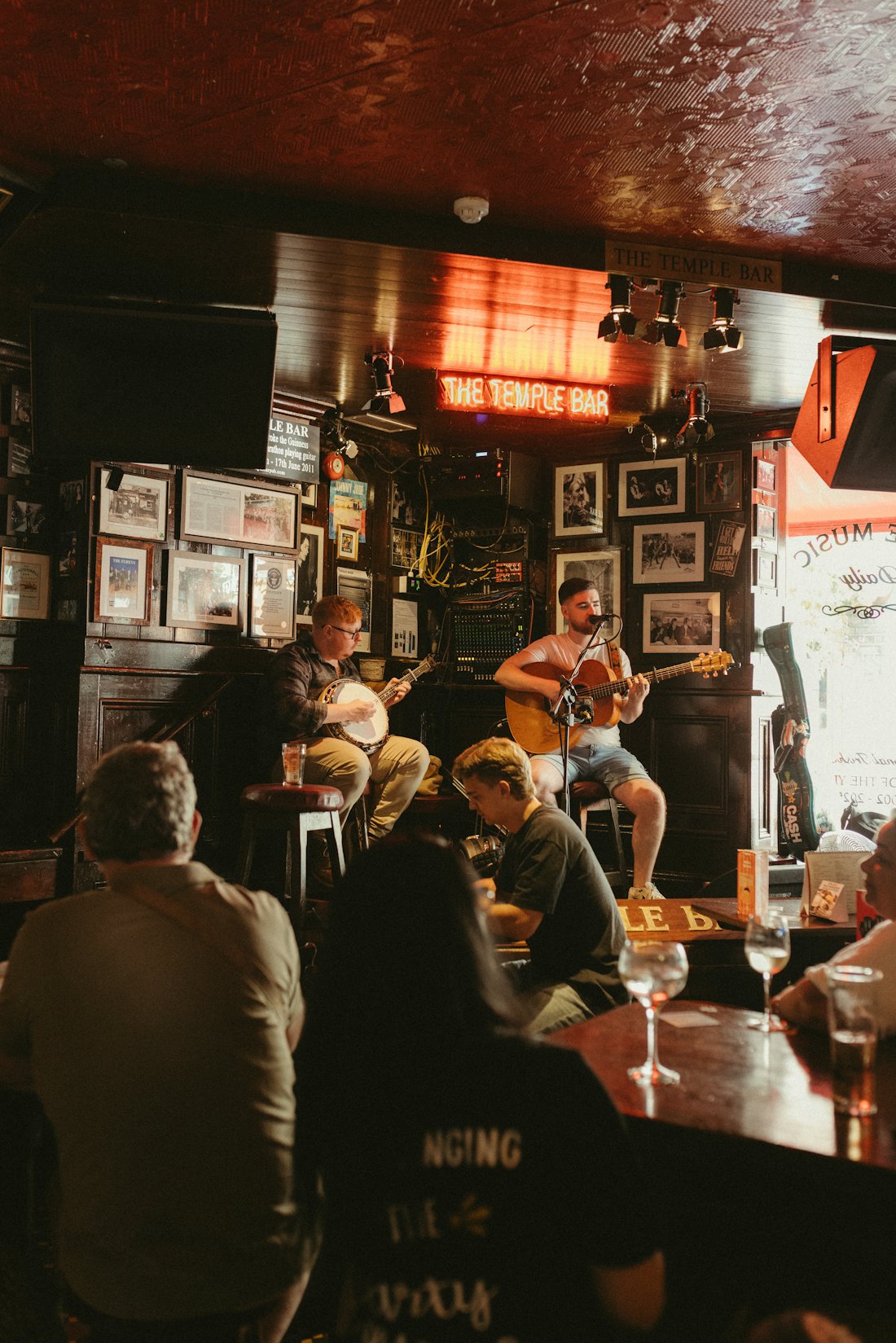
A solo acoustic singer for a pub costs £80 to £150 for a two-hour set at the budget end, according to Last Minute Musicians (checked November 2026). The Musicians' Union recommends at least £167.16 per musician for up to three hours in pubs and clubs. Booking-site averages for singing guitarists are higher, around £275 to £300, because they include weddings and private parties. An acoustic duo costs roughly double a solo act.
Key takeaways
- Last Minute Musicians gives £80–£150 as an example fee for a solo acoustic act's two-hour pub set.
- The Musicians' Union recommended minimum is £167.16 per musician for pub and club gigs up to three hours, so £334.32 for a duo.
- Last Minute Musicians listed 413 singing guitarists in November 2026 at an average of £300 (range £150–£1,215).
- Encore's guide lists singing guitarists at £230–£500 (average £275) and pop duos at £420–£800 (average £500), across all event types.
- Most solo acts bring their own PA. Confirm whether they use backing tracks or a loop pedal so you know what the night will sound like.
A solo acoustic singer for a pub costs £80 to £150 for a two-hour set at the budget end, according to Last Minute Musicians (checked November 2026). Experienced acts and anyone working to Musicians' Union (MU) rates will quote at least £167.16 for up to three hours. Booking-site averages run higher, around £275 to £300, because they mix pub gigs with weddings and parties. An acoustic duo costs roughly twice a solo act.
How much does a pub singer cost?
These are the published figures we found in November 2026. They measure different things, so read the second column.
| Source | What it measures | Price |
|---|---|---|
| Last Minute Musicians | Example fee, solo acoustic act, two-hour pub set | £80–£150 |
| Musicians' Union | Recommended minimum per musician, pubs and clubs, up to 3 hours | £167.16 |
| Last Minute Musicians listings | Singing guitarists, average listed price (413 listings) | £300 (range £150–£1,215) |
| Encore | Singing guitarist, all event types | £230–£500, average £275 |
| Encore | Solo singer, all event types | £220–£400, average £271 |
| Fantasia Music | Solo musician, all event types | £250–£450 |
Encore's guide says its prices are for 2022, and its page was last updated in June 2024. We include it because it splits out act types clearly, but current function prices are likely to be at or above those figures.
For a regular midweek pub slot, the realistic range is the first two rows: somewhere between £80 and roughly £200, depending on the act's experience and how far they travel. Expect to pay more on a Friday or Saturday, and more again in December.
Solo singer vs acoustic duo: what's the price difference?
A duo is two fees. At MU rates the minimum for a duo is £334.32 for up to three hours. Encore lists pop duos at £420 to £800, with an average of £500, across all event types.
| Format | Indicative pub fee | Good for |
|---|---|---|
| Solo singer with backing tracks | Low end of the solo range | Small rooms, tight budgets, wide repertoire |
| Solo singer-guitarist | £80–£200 for a pub set | Food-led pubs, Sunday afternoons, midweek |
| Acoustic duo (two voices, guitar) | Roughly double a solo act; MU minimum £334.32 | Fridays, busier bars, harmonies and fuller sound |
| Acoustic trio | MU minimum £501.48 | Bigger rooms where a band is too loud |
A duo is worth the extra when the room is too big for one voice or you want a set that builds towards a livelier finish. For background music during food service, a solo act is usually enough.
What do you get for the fee?
A typical pub booking from a solo act includes:
- Two to three hours of performance, often split into two or three sets with breaks. Agree the exact times, such as 8.30pm to 9.15pm and 9.45pm to 10.30pm.
- Their own PA, sized for a pub. Most solo acts carry a small system of their own. Ask how long they need to set up and soundcheck, and agree an arrival time.
- Setting up and packing down.
- A setlist to suit the crowd. Ask what they play and how they handle requests.
Things to agree separately: travel for long distances, food and drinks, overtime if you want them to play on, and whether the fee includes VAT (VAT registration is only compulsory above £90,000 taxable turnover, so many solo acts don't charge it, but ask).
Backing tracks, loop pedals and live guitar: what's the difference?
Solo acts sound very different depending on how they work. Ask which they do before you book.
- Voice and guitar only. The most traditional pub sound. Quieter, good for food service.
- Loop pedal. The singer records layers live and plays over them. Fuller sound from one person.
- Backing tracks. The singer performs over recorded instrumentals. Can sound like a band, and suits a party night, but some regulars prefer fully live music.
All three are covered by the venue's TheMusicLicence from PPL PRS. Its pubs page lists live performances and DJs, and backing tracks are recorded music played in public, which the same licence covers. In November 2026, PPL PRS quoted live music in pubs from 14p per attendee, or £14.64 per event for up to 100 people (+VAT).
On the premises licence side, GOV.UK guidance says live or recorded music in alcohol-licensed premises in England and Wales needs no extra entertainment licence between 8am and 11pm for an audience of 500 or fewer.
How to book a good solo act for your pub
- Watch a live clip filmed at a real gig. Phone footage from a pub tells you more than a studio video.
- Ask where they played recently and ring one of those venues.
- Tell them the room. Size, whether people are eating, and your volume limit.
- Agree times and fee in writing, including arrival time and finish time. Our guide on how to book live music for your pub has a full checklist.
- Build a rota. Three or four reliable acts on rotation gives your regulars variety and gives you cover when one is ill.
Gigtown, which is launching in Shropshire first, lets venues search solo and acoustic acts, check availability from the artist's shared calendar and agree the fee directly with no commission. Wherever you find acts, your own open mic is also a good source: see how to run an open mic night.
Questions to ask a solo act before you book
A five-minute call saves most problems on the night. Ask:
- What do you play? Ask for a song list or a recent setlist, and check it suits your crowd.
- Do you use backing tracks, a loop pedal or just your guitar? This changes the sound more than anything else.
- What PA do you bring, and how much space and power do you need? Tell them where they will stand.
- How long do you need to set up? Agree an arrival time that leaves room for a soundcheck before customers arrive.
- Can you keep the volume down while people eat? A good pub act adjusts to the room.
- Do you hold public liability insurance? Many venues ask for it as standard.
- How do you want to be paid? Bank transfer on the night, cash or invoice. Agree it in writing.
- What happens if you are ill? Some solo acts can send a replacement from their own network. See what to do when an act cancels.
Write the answers into your booking confirmation. If an act can't answer the basics, keep looking.
When is a band better value than a singer?
The cheaper act can still be the worse deal. On a Saturday when the pub is full anyway, a band can lift the room, keep people past 10pm and justify a higher fee. On a Tuesday when you need 30 extra customers to break even, a £120 singer has a better chance of paying for itself than a £500 band.
Compare the two using your own takings. Our guide to what a pub band costs has a worked break-even example you can adapt. If your venue is food-led, live music for restaurants and hotels covers dinner sets and volume in more detail.
Frequently asked questions
Is an acoustic singer cheaper than a band?
Yes, usually by a wide margin. A solo act is one fee, one car and a small PA, against four or five shares for a band, which is why acoustic acts suit quieter nights and food-led pubs.
Do pub singers need their own licence?
No. The venue holds TheMusicLicence from PPL PRS, which covers live performances in the pub, including songs sung over backing tracks.
Will a solo singer take requests?
Many do, within their repertoire. Ask for a setlist or song list when you book, and tell them if there are songs your regulars ask for.
How loud is a solo acoustic act?
Much quieter than a band, and most can play at a level where diners can still talk. Agree a volume level and a soundcheck time when you book if you serve food during the set.
Should I book the same singer every week?
A regular singer builds a following, but rotating three or four acts keeps the night fresh for regulars. Many pubs settle on a short rota.
Sources
- Last Minute Musicians: MU recommended live rates and typical pub gig fees (checked November 2026)
- Last Minute Musicians: Singing guitarists for hire, listing average (checked November 2026)
- Encore Musicians: How much does it cost to hire musicians, price guide (checked November 2026)
- Fantasia Music: How much does it cost to hire a local band in the UK (checked November 2026)
- PPL PRS: TheMusicLicence for pubs and bars (checked November 2026)
- GOV.UK: When to register for VAT (checked November 2026)
- GOV.UK: Entertainment licensing, changes under the Live Music Act (checked November 2026)
Sources checked 18 November 2026. This guide is general information, not legal, tax or financial advice.