The short answer
Choose one night and one type of act that suits your trade, set a fee you can cover from extra takings, and check your premises licence and TheMusicLicence from PPL PRS. Then find acts, watch real live footage, and confirm date, times, fee, equipment and cancellation terms in writing. In England and Wales, a pub licensed to sell alcohol can usually host live music for up to 500 people between 8am and 11pm without extra entertainment licensing.
Key takeaways
- In England and Wales, live music in alcohol-licensed premises between 8am and 11pm for an audience of 500 or fewer usually needs no extra entertainment licence.
- You still need TheMusicLicence from PPL PRS. Its pubs page quoted live music from 14p per attendee, or £14.64 per event for up to 100 people (+VAT), in November 2026.
- Typical UK pub gigs pay £100 to £300 for a 2 to 3 hour set, according to Last Minute Musicians; the Musicians' Union recommends at least £167.16 per musician.
- Put every booking in writing: date, arrival time, set times, fee, payment timing, equipment and what happens if either side cancels.
- Start with one regular night you can keep up for three months before adding more.
To book live music for your pub, pick one night and one kind of act that suits your trade, set a fee you can cover from the extra takings, and check your licences. Then find acts, watch real live footage of them, and confirm the date, times, fee, equipment and cancellation terms in writing. Allow four to six weeks between the first enquiry and a well-promoted gig.
What do you need before booking live music in a pub?
Sort out three things before you message a single act: the licensing, the space and the budget.
Your premises licence. In England and Wales, GOV.UK guidance says live or recorded music needs no extra entertainment licence if it is between 8am and 11pm, the premises hold an alcohol on-licence, and the audience is 500 or fewer. Unamplified live music needs no licence anywhere between 8am and 11pm. If you want music after 11pm, your premises licence must allow it. The council can also add music conditions to a licence after a review, so read yours for anything that limits volume, windows or times. The Live Music Act extends to England and Wales only, so venues in Scotland and Northern Ireland should check with their council. Our guide on whether you need a licence for live music in a pub covers the detail.
TheMusicLicence. This is the copyright licence from PPL PRS, and it is separate from your premises licence. Its pubs page says it covers live performances, open mic nights, karaoke and DJs. In November 2026 it quoted live music from 14p per attendee, with an example of £14.64 per event for up to 100 people (+VAT). Ask PPL PRS for a quote before your first gig.
Space and power. Measure where the act will set up and count the sockets near it. A solo acoustic act can work from a corner. A full band needs a cleared floor area, nearby power that isn't shared with the glasswasher, and a route in for the gear.
How do you choose the right act for your pub?
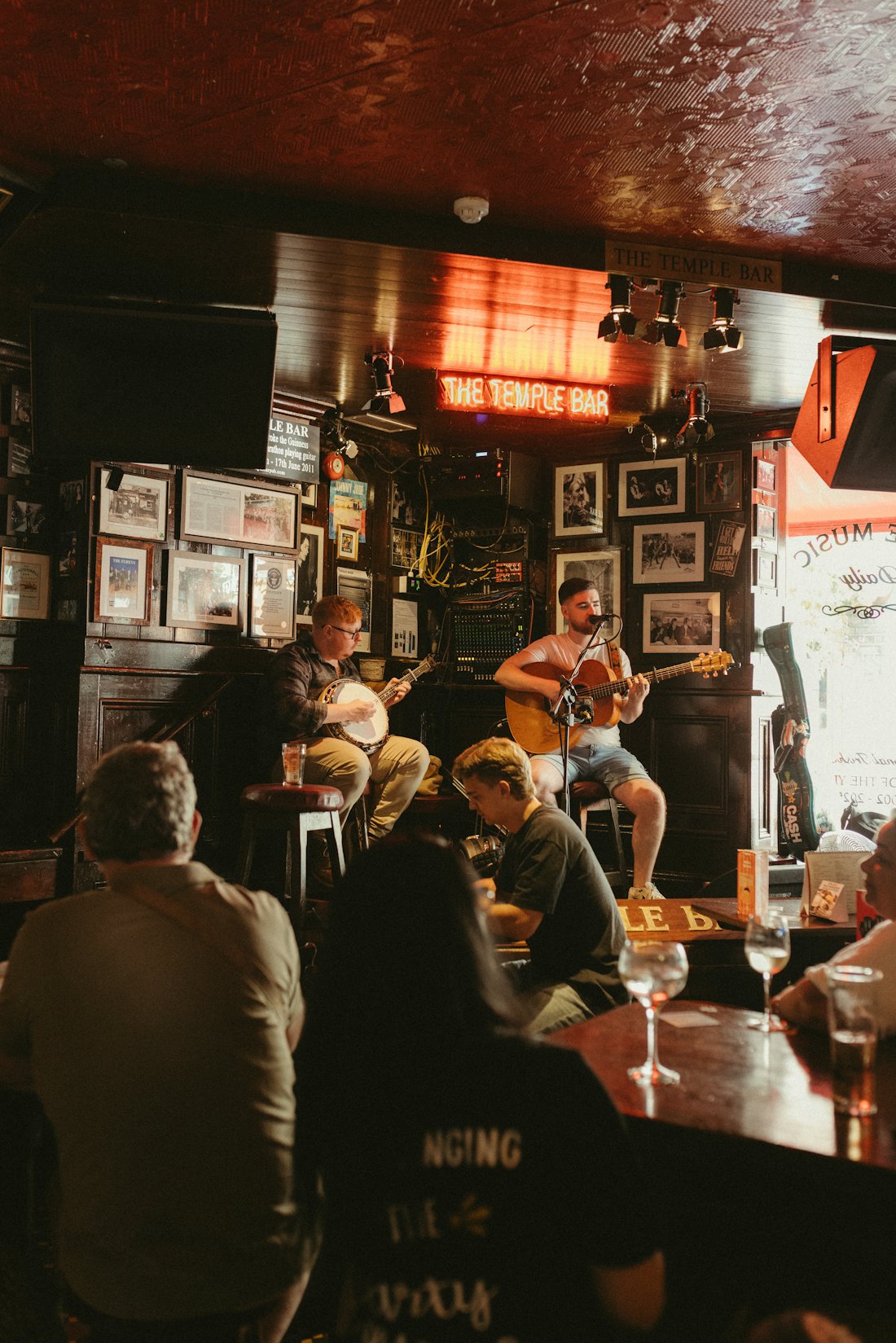
Match the act to the room and the night. A packed Saturday can take a loud covers band. A Tuesday with diners in the next room suits an acoustic duo.
| Act type | Works best for | Indicative fee for a pub gig |
|---|---|---|
| Solo acoustic singer | Midweek, food-led pubs, smaller rooms | £80–£150 for a two-hour set at the budget end (Last Minute Musicians) |
| Acoustic duo | Friday early evenings, Sunday afternoons | MU minimum £334.32 for two musicians, up to 3 hours |
| Covers band (3–5 piece) | Friday and Saturday nights, bank holidays | £100–£300 typical; £350–£500 for established weekend bands (Last Minute Musicians) |
| DJ | Late Friday and Saturday, parties | Add to Event average £235 across all event types |
| Open mic night with a host | Quiet weeknights, building a regular crowd | Host fee only; see our open mic guide |
Last Minute Musicians' figures were checked in November 2026. The Musicians' Union (MU) recommends at least £167.16 per musician for pub and club engagements of up to three hours, which is why a four-piece asking £650 or more is not being unreasonable. Our guide to what a pub band costs breaks the numbers down by band size.
How to book live music for your pub, step by step
- Pick the night and the slot. Start with one regular night, for example every other Friday from 9pm to 11pm. Regular slots are easier to promote and easier to judge.
- Set the budget. Work out how much extra gross profit a busy music night brings in compared with a normal one. That number is the most you can pay without losing money. Our guide on whether live music increases pub sales shows how to measure it.
- Find acts. Ask other licensees who they rate, watch acts at nearby pubs, look at musicians who play your open mic, and use booking platforms and agencies. In Shropshire, Gigtown lets venues search local acts, send direct enquiries and see whether an act is free from their shared calendar. It takes no commission on the fee, which you agree directly with the act.
- Check them properly. Watch unedited live video, filmed at a real gig. A studio recording tells you little about how they handle a pub crowd. Ask where they played in the last two months and ring that venue.
- Agree terms in writing. Date, arrival time, set times, fee, how and when you pay, who supplies the PA, food and drinks, parking and load-in, and what happens if either side cancels. Our guide to a venue–artist booking agreement lists every clause.
- Confirm the practical details. Send the act the room size, power points, house rules on volume and your finish time. Ask whether they hold public liability insurance. HSE says there is no legal requirement for annual PAT testing, but the Electricity at Work Regulations 1989 require electrical equipment to be kept in a safe condition, so ask how they maintain their kit.
- Promote it. Posters in the pub at least two weeks out, social posts with a clip of the act, and a reminder on the day. See promoting gigs at your venue.
- Review it. Note the takings, headcount and feedback on the night. Rebook acts that worked and drop those that didn't.
What should you include in your first message to an act?
Clear enquiries get faster, more accurate quotes. Put everything they need to quote in one message:
- Venue name and town. So they can work out travel.
- Date or dates. Say if it could become a regular slot.
- Times. Arrival, first set, finish.
- The room. Rough capacity, whether people are eating, and any volume limit.
- Kit. Whether you have a house PA or they need to bring their own.
- Budget. Give a figure or a range. It saves both sides time.
- Extras. Food, drinks and parking.
- How to reply. A phone number and the deadline for an answer.
If they quote, confirm the details back in writing before you promote the gig. A booking only exists once both sides have agreed it.
How far in advance should a pub book live music?
Lead times depend on the date. Popular dates go first.
| Date type | Book this far ahead | Why |
|---|---|---|
| Regular midweek acoustic slot | 2–4 weeks | Plenty of solo acts are free midweek |
| Friday or Saturday band | 6–12 weeks | Good local bands fill weekends early |
| Bank holiday weekends | 3–4 months | Acts get offers from several venues |
| Christmas and New Year's Eve | 6–9 months | Weddings and parties compete for the same acts |
Add to Event's price guide notes that weekends, bank holidays and Christmas usually cost more, so budget for that on peak dates.
Common mistakes when pubs book live music
- Booking on reputation alone. A band that fills a 300-capacity bar may be too loud for your lounge.
- Leaving the finish time vague. If your music must end at 11pm, write "music ends 11pm" in the booking.
- No cancellation terms. Without them, a cancellation the day before costs you the night and gives you no recourse. Read what to do when an act cancels.
- One-off gigs with no follow-up. Customers learn that you "do music on Fridays" only if you keep doing it.
- Paying late. Musicians talk to each other. Pubs that pay on the night get first pick of good acts.
Frequently asked questions
Do I need a separate licence for live music in my pub?
Usually not in England and Wales, if the music is between 8am and 11pm, the audience is 500 or fewer and you hold an alcohol on-licence. Check your premises licence for conditions, and you still need TheMusicLicence for the copyright side.
Do pub bands bring their own PA system?
Most gigging bands and solo acts bring their own PA, but confirm it at booking. If you have a house PA, tell the act what it includes so they don't bring duplicate kit.
What is the best night for live music in a pub?
Friday and Saturday suit bands and bigger crowds. Quieter nights suit acoustic acts and open mics. A 2023 CGA survey for GigRealm found half of respondents wanted more live music during the week.
How do I pay a musician for a pub gig?
Agree the method and timing in writing before the gig, such as bank transfer on the night or within seven days of an invoice. Keep a record of each payment for your accounts.
Can I use Gigtown to book acts outside Shropshire?
Gigtown is launching in Shrewsbury and the wider county first, then neighbouring regions, then the rest of the UK.
Sources
- GOV.UK: Entertainment licensing, changes under the Live Music Act (checked November 2026)
- legislation.gov.uk: Live Music Act 2012 explanatory notes, territorial extent (checked November 2026)
- PPL PRS: TheMusicLicence for pubs and bars (checked November 2026)
- Last Minute Musicians: MU recommended live rates and typical pub gig fees (checked November 2026)
- Add to Event: DJ hire pricing guide (checked November 2026)
- HSE: Portable appliance testing FAQs (checked November 2026)
- Morning Advertiser: Consumers more likely to visit pubs with live music, CGA and GigRealm research (checked November 2026)
Sources checked 18 November 2026. This guide is general information, not legal, tax or financial advice.